Structuring for the Long Term: How Evolving Client Needs Are Reshaping Wealth Planning in Asia
SFO Growth Under Pressure: Most Singapore SFOs hold only USD20–50 million AUM, well below the USD150 million typically seen as the benchmark for minimum AUM for SFO’s, making them costly and less effective for smaller clients.
Shift to Alternatives: Clients are exploring MFOs, VCC sub-funds, and other scalable structures as more cost-efficient and / or appropriate planning options.
UAE Rising in Appeal: Golden visas and simpler residency make the UAE an increasingly popular jurisdiction, decoupling domicile from asset booking.
CRS 2.0 Increases Complexity: Expanded reporting of domestic residencies may drive demand for flexible structures like MFOs and VCCs and others as CFC blockers.
Insurance Collaboration Needed: PPLI and other tools remain underused due to siloed advice; cross-disciplinary planning is now essential.
Planner Role Expanding: Asia faces a shortage of holistic planners who can orchestrate across legal, tax, investment, and insurance fields.
Future-Proofing Structures: Long-term sustainability, flexibility across jurisdictions, and human skills like judgement and empathy are vital as AI reshapes client expectations.
Beyond Residency: Family Office Structures Under Pressure
There has been a surge in Single-Family Offices (SFOs), particularly in Singapore. While headlines have often highlighted the explosive growth of such entities, the reality is that the vast majority of SFOs in Singapore – approx 90–92 per cent - manage assets under management (AUM) in the range of USD20 million to USD50 million. This is significantly below the USD150 million threshold typically used by academics and practitioners to define the minimum AUM of a traditional SFO.
This disparity was initially driven by the perception that the SFO route offered a pathway to residency. However, the tightening of conditions by the Monetary Authority of Singapore (MAS) has made it increasingly costly and administratively burdensome to pursue this route for smaller AUM clients. At USD50 million or less, it’s a very expensive option - and often doesn’t fully meet the client’s needs.
As a result, wealthy individuals and their advisers are now actively exploring alternatives such as Multi-Family Offices (MFOs), Variable Capital Company (VCC) sub-funds, and other cost-efficient structures that offer operational scalability without the overhead of maintaining an SFO.
Jurisdictional Drift: The UAE Joins the Conversation
A growing number of high-net-worth (HNW) clients are reassessing their jurisdictional preferences in light of regulatory tightening and cost concerns. While many clients still maintain relationship management in Hong Kong, they are increasingly booking assets in Singapore - or, in a rising number of cases, considering the United Arab Emirates (UAE).
The appeal of the UAE lies in its streamlined residency options, particularly the availability of golden visas. Even if that’s not the final stop, the ease of obtaining residency there versus Singapore or even Hong Kong is a significant consideration.
This growing fluidity in residency planning underscores the decoupling of client domicile from asset booking and structuring decisions - a trend likely to accelerate as tax transparency initiatives mature.
CRS 2.0 and the Next Wave of Structuring Complexity
A central theme of the discussion was the increasing regulatory complexity introduced by global tax transparency regimes. The evolution of the Common Reporting Standard (CRS) 2.0, which will include the reporting of all domestic tax residencies. This is particularly relevant for clients from jurisdictions such as mainland China, where individuals may not have relinquished their household registrations and hence remain Chinese tax residents.
In this context, structures designed to act as Controlled Foreign Corporation (CFC) blockers - such as MFOs or VCC sub-funds – should be assessed and may gain traction. These offer flexibility, cost efficiency, and a more adaptive approach to evolving tax authority scrutiny. Any planning will also need to take into account any broader requirements and needs of the family.
Advisers must now go beyond traditional vehicles and assess the full suite of structuring options available. What are the real requirements of clients that you’re looking to address? And what is the range of solutions that make sense given AUM, cost, and long-term tax transparency trends?
Insurance as Planning Tool: A Shift from Silos to Collaboration
While private client lawyers and tax advisers have historically focused on their respective silos, there is an increasing need for cross-disciplinary collaboration - particularly when it comes to Private Placement Life Insurance (PPLI) and other insurance-based planning tools.
Citing both anecdotal experience and evolving client expectations, Velten stressed that solutions such as PPLI are often underutilised due to legacy industry mindsets. You cannot assume that someone else in the advisory chain has taken that holistic view.”
The panel echoed this sentiment, underscoring how fragmented advice often leads to missed opportunities in tax efficiency, investment continuity, and long-term estate planning.
Towards Holistic Advice: Redefining the Wealth Planner's Role
A recurring theme was the shortage of skilled, client-centric wealth planners in Asia. Many private banks and advisory firms still operate without dedicated wealth planning functions - despite growing client demand.
Part of the issue lies in expectations. Lawyers may assume that private bankers have already mapped the client’s broader needs, while tax advisers might focus on the narrow questions presented to them without seeing the full picture. In reality, wealth planning today requires orchestration - an ability to bring together legal, tax, investment, and insurance professionals to deliver cohesive, future-proof solutions.
These demands are evolving in the age of Artificial Intelligence (AI). Clients are increasingly relying on tools such as ChatGPT for initial research, which means that advisers must demonstrate added value beyond surface-level answers. You also have the added dimension of needing to show why it’s more than what they found online. That comes down to understanding the full context and delivering solutions that are fit for purpose - and sustainable.
Future-Proofing Structures for the Next Decade
As regulatory complexity and client expectations continue to evolve, Velten emphasised that long-term viability must now be a core design principle. Structures should not only meet current legal and tax obligations, but also be flexible enough to accommodate shifting priorities across jurisdictions.
It’s not just about whether the structure works today, but whether it can be administered robustly for the longer term. We need to understand how to use the tools available, what they don’t do, and then focus on the human skills - judgement, empathy, and the ability to see the bigger picture - that AI can’t replace.
Get In Touch
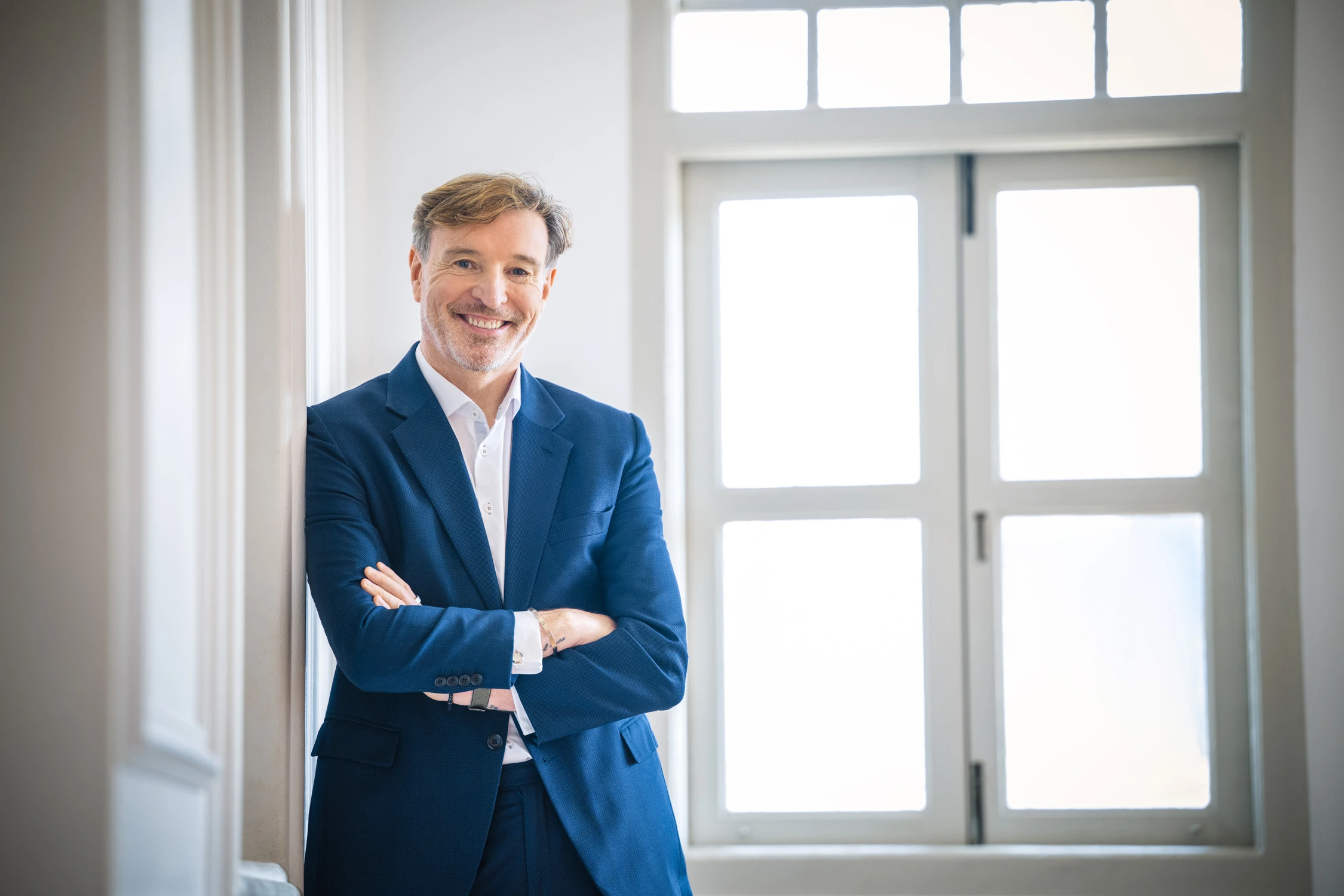
For more information please contact Michael Velten.

michael@veltenadvisors.com

+6590687547

37 Ann Siang Rd, Singapore 069715